If you have ever searched for the “best gastroenterologist or doctor near me” or even the ‘best liver hospital in Kolkata’, chances are you have come across the term ‘Percutaneous Endoscopic Gastrostomy’ (PEG). Does it sound technical? Honestly, it is. However, the idea behind it is simple: helping someone get proper nutrition when eating normally is no longer possible.
PEG is less about being complicated and more about being useful. It is based on clinical findings. Giving sick people food through this approach is a healthy way to help them get through hard times.
A skilled gastrology specialist in Kolkata would explain it clearly, based on facts, and get right to the point as given below.
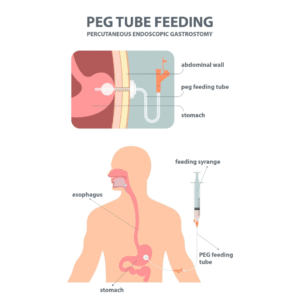
A PEG tube is a food tube that is put into the stomach through the wall of the abdomen. The process uses an endoscope, which is passed through the mouth into the stomach to guide placement.
Enquire about the best gastroenterologist or doctor near you, and the specialist will agree that this approach avoids open surgery and is typically done under mild sedation. For patients who are unable to swallow safely due to neurological conditions, cancers, or severe weakness, PEG becomes a lifeline.
It’s not about replacing food. It’s about making sure the body still receives what it needs.
This is where clinical judgement matters.
The best gastroenterologist or doctor near you will not suggest PEG lightly. It’s usually considered when:
In liver-related cases, especially advanced conditions like cirrhosis, the decision gets more nuanced. A gastrology specialist in Kolkata will weigh nutritional decline against procedural risks before moving ahead.
Here’s the thing. It sounds intimidating, but the process is fairly streamlined.
The whole process takes less than an hour most of the time.
Clinical guidance highlights that most patients tolerate it well, with minimal discomfort. Many go home the same day or shortly after, depending on their condition.
PEG feeding solves a very real problem: malnutrition in patients who cannot eat.
Here’s what makes it effective:
For patients already dealing with chronic illness, this can make a noticeable difference in strength and stability. It’s not dramatic. It’s steady, quiet progress.
Every medical procedure has its trade-offs. PEG is no exception.
Some potential risks include:
Now, if you have liver disease, problems with bleeding or fluid buildup (ascites) can make things more difficult. This is why it’s important to pick the best liver hospital in Kolkata or a team with a lot of experience. Less important is the process itself, and more important is how well the patient is cared for and watched.
This is often the part people worry about.
In reality, life with a PEG tube settles into a routine:
Some patients can still eat small amounts by mouth if it’s safe. PEG does not always mean giving that up entirely.
What it does mean is consistency. Each day, the body gets what it needs.
Talk to enough specialists, and a pattern emerges. PEG is not a last resort. It’s a support strategy.
Doctors who handle these cases regularly focus on timing. Too early, and it’s unnecessary. Too late, and the patient may already be severely malnourished. Getting that balance right is what separates routine care from thoughtful care.
That’s the kind of judgement you are looking for when you search for the “best gastroenterologist doctor near me”.
Placing a PEG tube is not a separate process at LivGastro; it is part of a larger care plan.
Our team decides if PEG is an excellent idea, gets the patient properly ready, and uses endoscopic guidance to do the placement. Care after the surgery is just as important; planning, tracking, and following up on nutrition are all part of the process.
For anyone exploring options at the best liver hospital or seeking a reliable gastrology specialist in Kolkata, this kind of integrated approach matters. It keeps things consistent, which is exactly what patients need during recovery.
Lastly, PEG is not complicated once you strip away the jargon. It’s practical medicine. Quietly effective. When handled by the right hands, it does exactly what it’s meant to do: keep patients nourished when they need it most.
Not really. Since the patient is sedated, there is not much pain during the process. Some soreness may follow, but it usually settles within a few days.
As long as it’s taken care of properly and checked frequently, a PEG tube can stay in place for months or even years.
In some cases, yes. If swallowing is safe, small amounts of oral intake may still be allowed alongside tube feeding.
Typically, a gastroenterologist or endoscopy-trained specialist. If you are searching for the “best gastroenterologist or doctor near me”, look for someone experienced in therapeutic endoscopy.
It’s possible, but only after a careful look. Before recommending it, a gastrology expert will check for risks, such as ascites and bleeding, often with the help of teams from the best liver hospital in Kolkata.
Suffering from severe bouts of intestinal pain or having swallowing problems? Go for end
read more
Hiatal Hernia: Understanding its Symptoms, Diagnosis & Treatment People, mostly those o
read more
Kidney Failure: Symptoms, Diagnosis and Treatment As reported by the Indian Express in
read more