
Ultimate Guide to Colitis- Types, Causes, Symptoms & Treatment
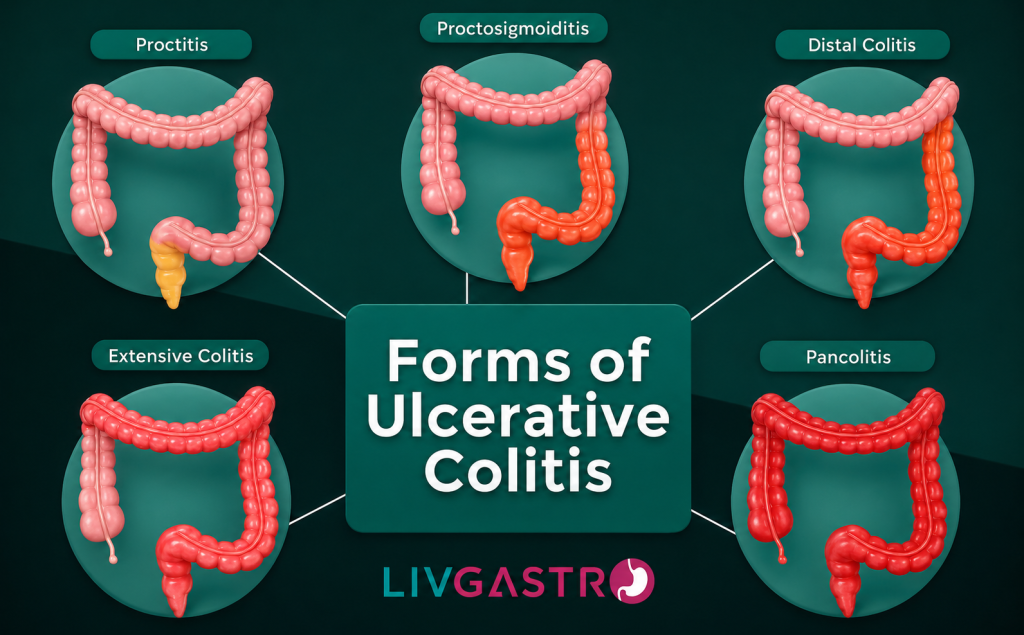
Do you often complain of bloating and diarrhoea? Has discomfort and pain in your abdomen become commonplace? Chances are, you are suffering from colitis. It is the inflammation of your large intestine or colon, as many people recognise. However, determining whether it is colitis for real requires understanding its various types, symptoms, causes, and treatments. So, without further ado, let’s begin. Types of Colitis and Their Causes Colitis is of various types and is provoked due to many causes. While it’s easy to treat some, for instance, those occurring from a bacterial infection like food poisoning, others are serious and take a lot of time to go away. Beware of the severe cases! They may threaten your colon and affect your quality of life. Let us take a look at each of them and examine their causes. Pseudomembranous colitis (PC) PC is triggered when the C. difficile overgrows, and the ‘good’ bacteria fail to balance it. Consequently, C. diff takes over, releases toxins, and causes inflammation. Microscopic colitis It is mostly people aged 50 and above, smokers, and those who have suffered from an autoimmune disease who are diagnosed with microscopic colitis. The medical condition causes abdominal bloating, pain, and chronic watery diarrhoea. Ulcerative colitis (UC) It is the most common type of colitis, where patients have to put up with bleeding ulcers and inflammation. The disease occurs in the rectum but gradually spreads to the colon. UC happens when the bacteria in the digestive tract cause the immune system to overreact. Ischemic colitis (IC) It is usually blood clots that trigger IC. As the blood flow is cut off to the colon, blockage occurs. The condition recurs when fatty deposits build up in blood vessels. People having underlying conditions like diabetes, trauma or injury, blockage, colon cancer, and a history of dehydration and heart failure develop IC more often. Symptoms of Colitis It can be any of the following: Fever and chills Abdominal pain Diarrhoea Bloating in the abdomen Vomiting Unexpected weight loss Presence of blood in stool Diagnosis of Colitis When you visit a doctor, the physician may enquire about the frequency of symptoms and when they first occurred, followed by a thorough physical examination. The medical practitioner may also prescribe diagnostic tests, and a few to name would be – Ultrasound Stool samples Colonoscopy Abdominal imaging, such as CT scans or MRI Sigmoidoscopy Barium enema or an X-ray of the colon Treatment of Colitis The treatment of this medical condition depends a lot on the type and cause. It mostly includes: Diet – A wholesome diet low in fibre and easy to digest cures acute colitis. Avoiding certain foods that cause colitis flare-ups is also a great way to tackle the medical condition. Surgery – Surgery is prescribed to people diagnosed with IBD, necrotising enterocolitis, and ischemic colitis. However, it may or may not cure the conditions. It can only stop bleeding, remove a blockage, or repair a perforation. Medications – Medications like immune system suppressors, antibiotics, antidiarrheal drugs, pain killers, and antispasmodic drugs can help manage colitis symptoms. Postscript: Detection is critical for recovery from colitis. Early diagnosis can curb serious complications. Therefore, whenever you are not feeling well and believe it has something to do with your stomach, talk to a doctor.