
How an Expert Gastro Surgeon Can Help with Polyp Removal Clone
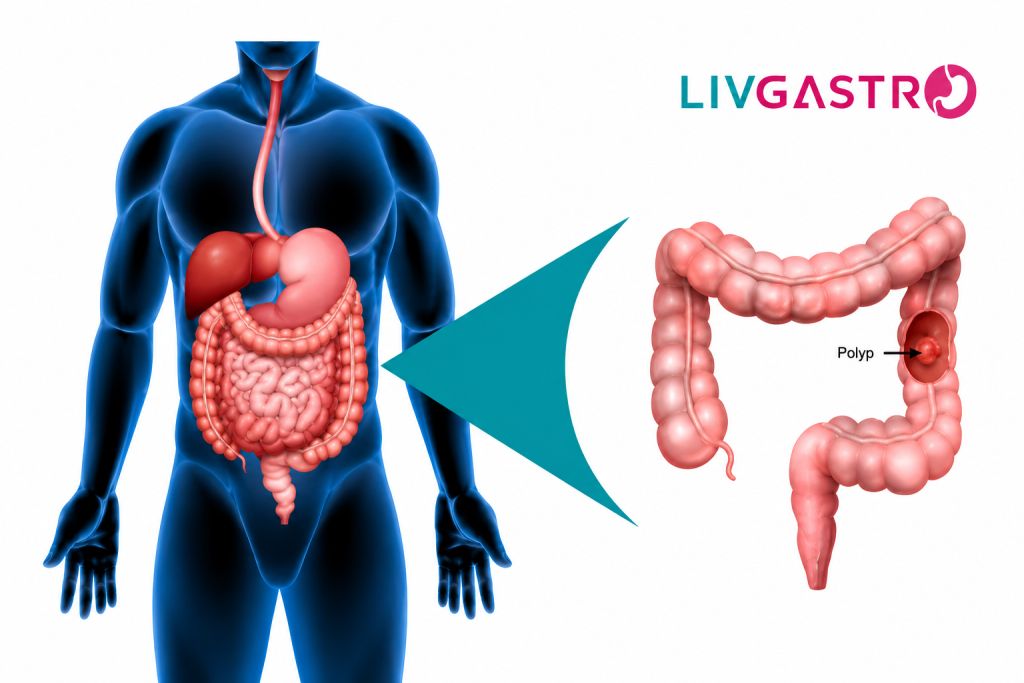
When it comes to preserving gastrointestinal health, early diagnosis and treatment of anomalies might mean the difference. Polyps, which are abnormal growths on the inner lining of the colon or other regions of the gastrointestinal (GI) tract, are very critical to deal with as soon as possible. Many polyps are benign, but others have a likelihood of becoming malignant over time. Under such circumstances, booking the best gastrosurgeon in Kolkata is the right course of action. You have to find the most suitable expert team to get your polyp issues treated. At LivGastro, we are one of the pioneering clinics of gastro-related treatments and surgeries in West Bengal. Our experts, under the able leadership of Dr. Vijay Kumar Rai, carry out precise surgical treatments through procedures like colonoscopy or esophagogastroduodenoscopy. We endeavor to perform swift removals of any size of polyps with state-of-the-art medical equipment. In this article, we will look at how our professional gastrosurgeon can diagnose, manage, and remove polyps to help maintain long-term digestive health. Read on for some informative views. What Are Gastrointestinal Polyps? Polyps are tiny clusters of cells that grow in the gastrointestinal tract’s lining, typically in the colon. While most polyps are innocuous, some forms, like adenomatous or serrated polyps, might progress to colorectal cancer if not removed. Thus, early discovery and removal are critical to avoiding difficulties. You can rely on our experienced stomach pain doctors in Kolkata for a swift diagnosis. They will inform you about the best course of action. Most Common Polyps Symptoms Polyps frequently produce no symptoms, which is why regular tests such as colonoscopies are essential. However, in some situations, they can cause symptoms like – ■ Rectal bleeding ■ Bowel habits change ■ Abdominal pain ■ Iron deficiency anemia (due to concealed blood loss) The Role of a Gastro Surgeon in Polyp Removal A gastrosurgeon performs surgical treatments on the digestive system, which includes the esophagus, stomach, small intestine, colon, rectum, liver, and pancreas. Their understanding is essential when polyps are too big, unreachable, or difficult to remove using traditional non-surgical methods. If you are looking for the best gastroenterologist in West Bengal, we can help you out. Our clinic in Kolkata is your one-stop destination for relief from all gastrointestinal problems. Here’s how a professional gastrosurgeon may help at every step of polyp management: Accurate Diagnosis Although a gastroenterologist’s screening colonoscopy usually results in initial identification, A surgeon may have to get involved if – ■ The polyp is found in a difficult-to-reach area. ■ The findings of a biopsy are not clear. ■ One suspects early-stage cancer. Working with the evaluation team, a gastrosurgeon evaluates imaging tests (such as CT colonography) and may advise additional investigative techniques like endoscopic ultrasonography (EUS) to better grasp the type, size, and depth of the polyp. Choosing the Best Approach Not every polyp calls for surgical removal. When they do, though, a gastrosurgeon chooses the most sensible and efficient approach. The choice is based on elements including – ■ Polyp category and size ■ Its positioning in the GI tract ■ Medical history and general condition of the patient ■ Malignancy risk When feasible to save recovery time and problems, the best gastrosurgeon in Kolkata would usually advise minimally invasive approaches. Techniques for Removing Polyps Through Surgery To get rid of polyps, a gastrosurgeon may do some of the following: Endoscopic polyps removal – An improved endoscopic polypectomy may be done on polyps that are smaller or easier to get to by the surgeon. To get rid of the polyp, a thin, flexible tube with a camera and tools is put into the stomach. Different kinds of tools, like snares or electrocautery loops, can be used. Endoscopic Mucosal Resection (EMR) – EMR or endoscopic mucosal resection is used to lift and remove polyps from the mucous layer when they are flat or larger. This method cuts down on the need for more invasive surgeries. Our stomach pain doctors in Kolkata are EMR experts who can ensure optimal results. Endoscopic Submucosal Dissection (ESD) – This is a more advanced technique that is used when polyps are thought to have early-stage cancer. To do this, the polyp has to be carefully cut out of the lower levels while the surrounding tissue is kept intact. Laparoscopic Surgery – Laparoscopic surgery may be needed if the polyp is big, in a hard-to-reach place, or if there is a good chance that it is cancerous. Small cuts are made, and a camera is used to guide the tools for accurate removal. Segmental Colectomy – Sometimes, a piece of the colon may need to be medically removed if there are a lot of polyps or if they are dangerous. This is more painful, but it can save your life by stopping the cancer from spreading. Care and Follow-Up After Surgery A competent gastrosurgeon makes sure that their patients get all the care they need after surgery. This includes – ■ Keeping an eye out for illness or bleeding ■ Taking care of your food and pain during healing ■ Making sure that normal gut movement returns ■ Doing follow-up colonoscopies to see if the problem comes back ■ Getting doctors to work together on test analysis ■ If the polyp was dangerous, you might need more treatment, like chemotherapy or bigger surgery ■ Your surgeon is the most important person in figuring out what to do next and, if necessary, sending you to the right experts. Why Hiring an Experienced Gastrosurgeon is a Good Idea The difficulty of removing polyps shows how important it is to pick a surgeon with the right skills and experience. This is why: ■ Precision: When polyps are removed by a skilled surgeon, they are less likely to come back or cause other problems. ■ Safety: Handling by a professional lowers the risk to nearby organs and tissues. ■ Personalized care: Care that is tailored to your specific needs: they change methods to fit your wants, which leads to
Maldigestion and Malabsorption—How It Can Affect You Despite Eating Well
As a leading gastroenterology clinic in Kolkata, we at Livgastro widely diagnose cases where patients come with a complaint of frequent diarrhoea, and after diagnosis, it is revealed they have Maldigestion and Malabsorption. This is a prevalent case with older patients above the age of 60. This leads to malnutrition. Fancy, similar-sounding medical names can be confusing, and when they all end up in a stomach bug, it is even tougher to tell them apart. That’s the case of Malabsorption and Maldigestion. Whether you have heard of them or have no clue what they mean, here’s an insight from the desk of the best gastroenterologist in West Bengal to keep you aware that they are not the same thing, and they can affect you even if you eat a healthy and balanced diet. ■ Maldigestion: The inability of the small intestine to properly complete the luminal phase of digestion to break down food particles into enzymes. ■ Malabsorption: The inability of the small intestine to properly complete the mucosal phase and absorb nutrients from food into the bloodstream—often as a consequence of maldigestion. Although they can occur separately, maldigestion and malabsorption are frequently interdependent syndromes. Normal weakness, frequent digestive problems, and unexplained weight loss are some of the key warning signs that your body is not absorbing the nutrients from the food you eat. Do not neglect these “minor” issues. They can be closely related to more serious conditions like cystic fibrosis, celiac disease, or Crohn’s disease. Stay aware. Stay healthy. You can consult the best gastroenterologist in West Bengal right here at LivGastro. We offer an all-encompassing solution for diagnosis, treatment, and integrative liver gastro care. Eating Well and Nutrition—How Gut Health Impacts Digestion and Every Other Bodily Function Our gut health impacts every vital organ and function of the body. The pancreas, liver, and intestines are central to the digestive process and must work in sync. But when there is a disruption in this balance, such as the insufficiency of digestive enzymes in the body or prolonged gastrointestinal motility disturbances, it may be a precursor to maldigestion and malabsorption. You don’t need to be the best gastroenterologist in West Bengal to know how our body works like a machine. Just like any other mechanical process, our body needs an energy source—that’s the food we eat. Now, imagine if there were a malfunction in a mechanical part; the machine would stop working properly despite having an adequate supply of energy. That is exactly how it works for our digestive system. Dr Vijay Kumar Rai is the top stomach pain doctor in Eastern Metropolitan Bypass who works with Integrative treatment plans and navigates different aspects of gut health and how they impact individuals developing maldigestion and malabsorption. In many cases, people have difficulty with specific types of foods, like carbohydrates, intolerance of gluten, or excessive alcohol intake that may interfere with enzyme activity, or even cause cellular damage to the small intestine lining. Bacterial Malabsorption and Bile Acid Malabsorption (BAM) are also included in the aetiology. Maldigestion and Malabsorption Treatment at LivGastro in Kolkata Many people follow the drill of keeping over-the-counter medications in their pocket and self-treat their symptoms. Medication is not always the best answer. Below is a basic layout of our gastroenterology treatment in Kolkata for maldigestion and malabsorption. ■ Diagnosis: Understanding the underlying cause of madigestion and malabsorption is the first stage of treatment. We carry out tests like Serological (blood) tests and stool or faecal tests for exocrine pancreatic functions or evidence of steatorrhea (fat malabsorption). ■ Medical Treatment: Treating maldigestion and malabsorption has to go beyond medications. We favour integrative approaches to address each problem down to its root: Dietary modification is used to manage any food intolerances that cause the problem, particularly in cases of carbohydrate or protein malabsorption ■ Any deficiency of enzymes or vitamins has to be supplemented to make up for them ■ Bile acid sequestrants are prescribed for Bile Acid Malabsorption (BAM) ■ Stomach infections are treated with antibiotics ■ Lifestyle Management: Sometimes lifestyle changes, eating habits, a combination of foods, and alcohol intake are vital factors that determine the treatment. Remember that treating malnutrition caused by either or both of maldigestion or malabsorption involves more than writing a prescription. At Livgastro, we ensure that each patient receives clear, personalised plans that combine medical treatment with nutrition guidance. In each case, the aim is not just to correct deficiencies but to restore strength, energy, and quality of life. Consult the Best Gastroenterologist in Kolkata for Maldigestion and Malabsorption Some of the common foods, like roti with aloo sabzi, pasta, and natural sugarcane sugars, cow milk, are some of the most common sources of carbs. In cases of deficient carbohydrate assimilation, bacteria can ferment in the small intestine, which may lead to malabsorption in the digestive process. So what happens when it does? You feel frequent bloating, diarrhoea, and abdominal pain. If you have it multiple times in short intervals, this is a good time to see a doctor. We at LivGastro have Dr Rai and some of the best stomach pain doctors in Eastern Metropolitan Bypass here with us to give you personalised support through every stage of healthcare. Diagnosing persistent symptoms is a vital part of effective treatments and our integrative liver gastro care. It gives doctors the time and scope to isolate the specific underlying issues of the ailment and prevent it from growing. Therefore, timely consultation with a specialist can make all the difference.